
The Brew
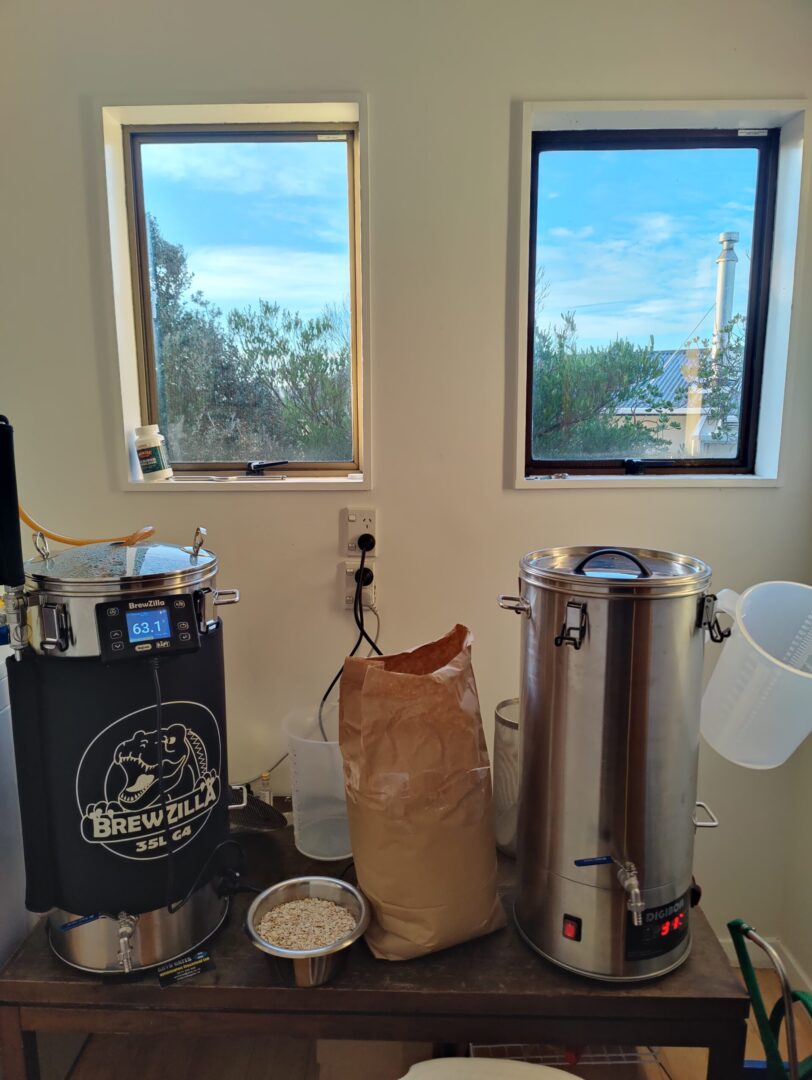
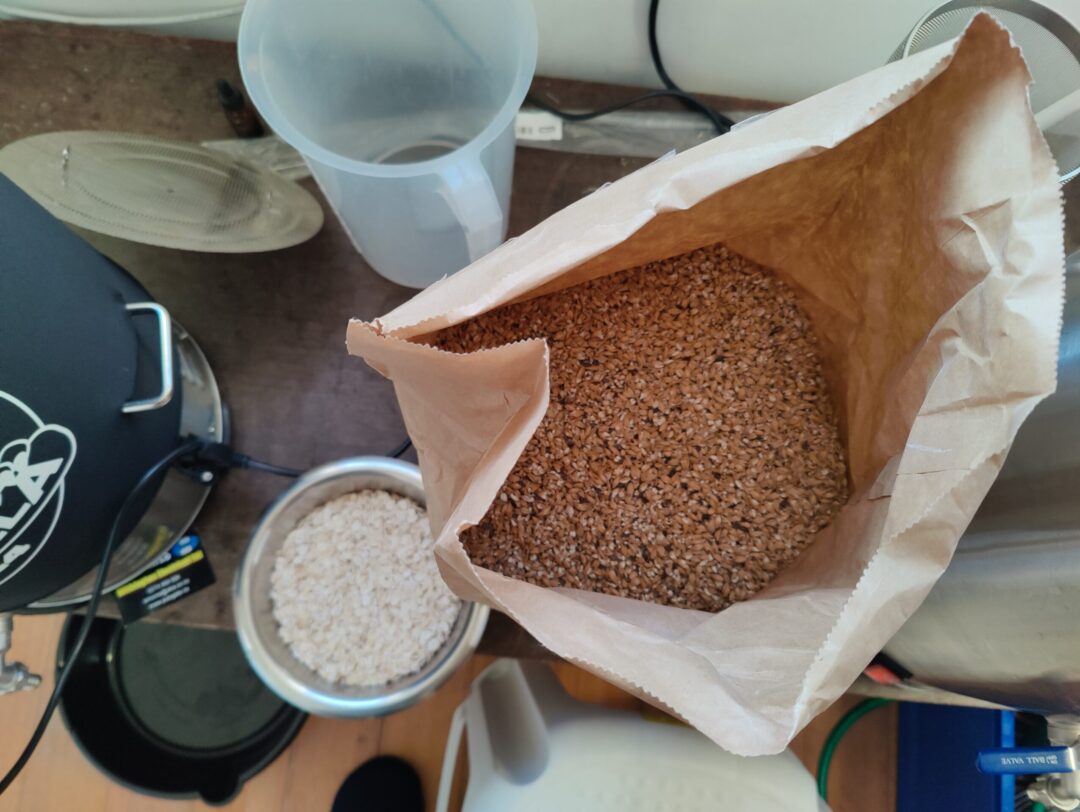
Empire’s End was brewed for the Valley Brewer club’s BJCP learning and challenge series, targeting the 16D Foreign Extra Stout category. The style sits in a good middle ground: big, roasty, and full-bodied without being as sweet or syrupy as an Imperial. The grain bill leans on Maris Otter as the backbone, roast barley for the characteristic dry bite, flaked barley for body and head retention, and small additions of Eclipse Wheat and Light Chocolate to round out the colour and flavour. The hop schedule is classic English: Northern Brewer for bittering, Fuggles mid-boil, East Kent Goldings late. It was also a King’s Birthday holiday, which made for a very pleasant morning in the garage.
How It Went
Brew Day
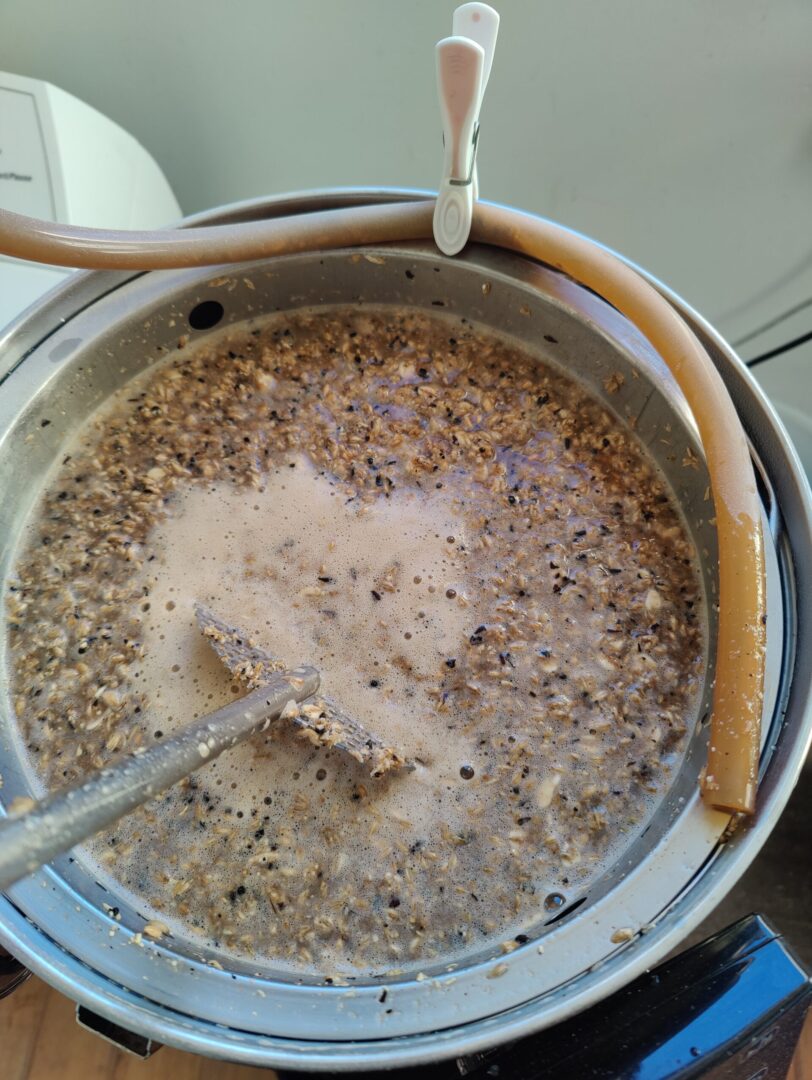
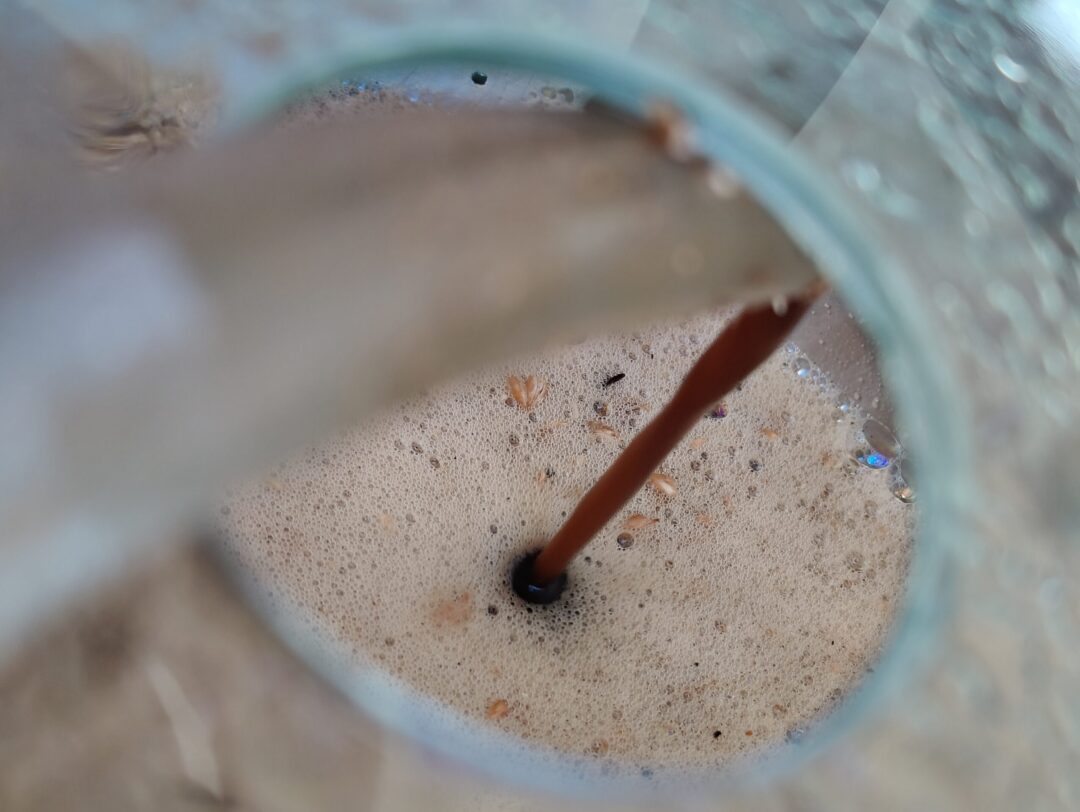
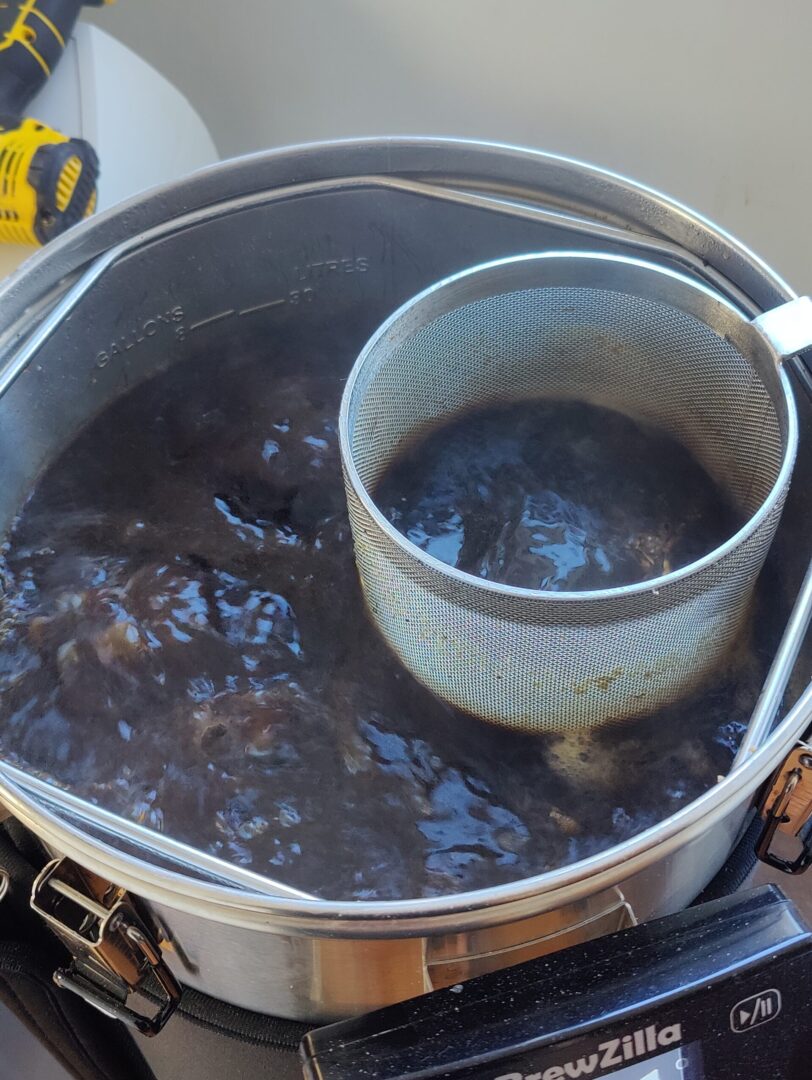
Mashed in with 20L at 67°C on the BrewZilla 35L Gen 4, 60 minutes, mashed out at 75°C for 10 minutes, then sparged with 13L at 75°C. The flaked barley went in separately, mixed in as the rest of the grain was poured. With nearly 8kg of grain and 20L of mash water, the mash tun was very full (not a problem, just a commitment). Wort colour was looking great during recirculation, and at the boil it tasted sweet and roasty, exactly what you want early in a stout.
Water was treated with calcium chloride (3.5g) and sodium bicarbonate (2.5g) to suit the darker grain bill, with small additions of magnesium sulfate and calcium sulfate. Whirlfloc and yeast nutrient at 10 minutes. Boil ran 60 minutes: Northern Brewer at 60, Fuggles at 20, East Kent Goldings at 5. Pre-boil 29L, post-boil 25L, 24L into the FermZilla. OG came in at 1.075, slightly lower than intended but well within range.
Fermentation
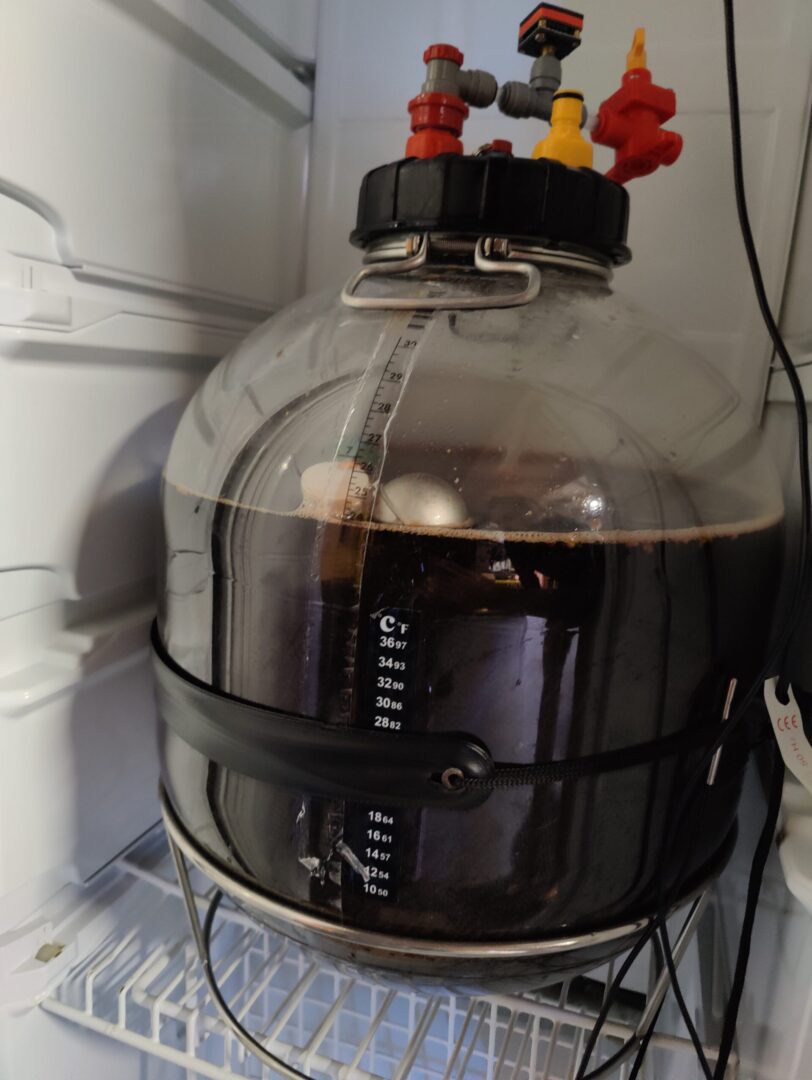
Primary in the FermZilla in the ferm fridge at 17.5°C for 3 days, raised to 21°C for 3 days, then held at 22°C for a cleanup rest. The fermentation curve was clean, finishing at 1.019. The vessel was set up with pressure closed but only reached around 10psi at 22°C, so about a third naturally carbonated, with enough headroom that yeast activity wasn’t suppressed. Seven days of rest and cleanup before starting a gradual cool-down.
The Result
Kegged on day 16, 18 June 2025. Total final volume 21.5L: 19L via closed transfer into the keg, 2.25L set aside for bottle conditioning, plus a taster. Carbonation target 2.2 volumes CO₂.
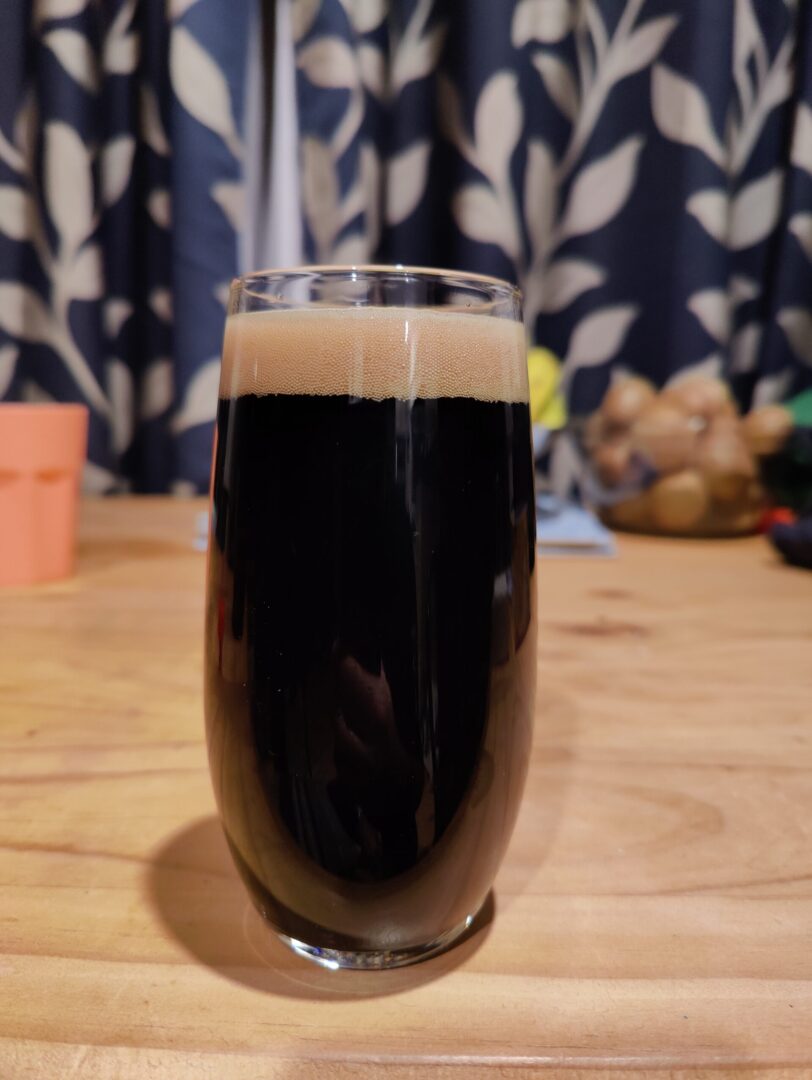
Sampled fresh at packaging and already showing balanced roast character, though it was clearly going to need a few weeks in the keg to settle and round out. The roast was there without being harsh, which is the right starting point for the style. Hoping it mellows into something worth entering.
Next Time
The long cleanup rest at 22°C felt like the right call for a higher-gravity stout. I’ll keep that approach for similar OG dark ales. Keeping the pressure moderate throughout also seemed sensible, giving the yeast enough headroom to finish properly without fully force-carbonating in the vessel. I want to taste it again after a few weeks conditioning before drawing any real conclusions about the balance.